
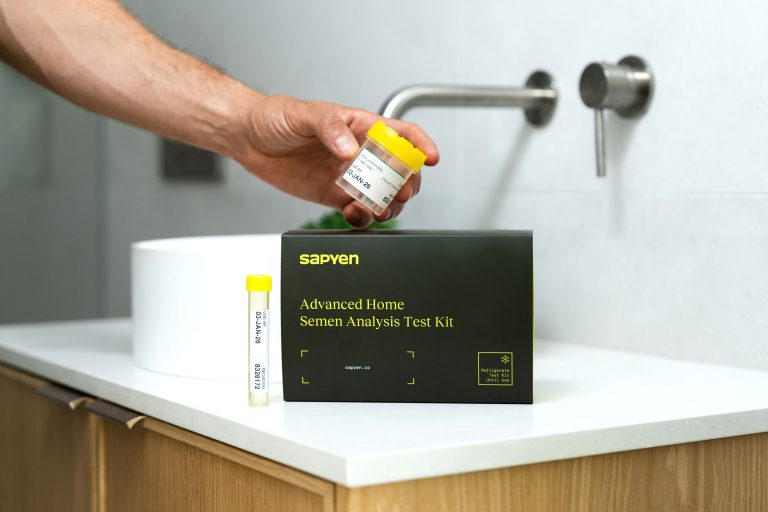
LONDON, UK. May 18th, 2026 – Global male fertility company Sapyen today launches sperm freezing for one dollar. The price covers the first full year of storage, and the next five years are available at a fraction of clinic pricing.
Unlike traditional programs that freeze a sample immediately, Sapyen’s model begins earlier. The program starts with an at-home semen analysis, followed by Reset90™, a ninety-day supplement and lifestyle protocol designed around the biological cycle of sperm production.
“Sperm quality is not static,” said Ash Ramachandran, Chief Executive Officer of Sapyen.
“The sample a man produces today reflects decisions and exposures from months earlier. Age, stress, sleep, alcohol, heat exposure, testosterone use, diet, and general health all matter.”
After the ninety-day period, the sample is frozen and stored in a CLIA-certified, high-complexity accredited facility in the United States.
“For most men, preserving a younger version of themselves for the future is an incredibly rational decision,” Ramachandran said. “The best time to preserve fertility is before you need it. Before age, illness, stress, or life timing become variables you can no longer fully control.”
The company says the economics of sperm freezing historically prevented broad adoption. Traditional models bundled fertility preservation into clinic infrastructure, specialist appointments, and in-person collection systems. Sapyen instead built the program around home collection, postal logistics, and centralized laboratory processing.
“When the channel changes, the price follows,” Ramachandran said. “One dollar is what sperm freezing can actually cost when you remove the unnecessary layers around it.”
Sapyen believes the launch will expand fertility preservation beyond the narrow categories historically associated with sperm banking. The company expects demand from men delaying parenthood, patients undergoing testosterone therapy, men preparing for vasectomy, couples pursuing IVF, and younger consumers increasingly thinking proactively about reproductive health.
The company argues that sperm freezing functions less like a medical procedure and more like long-term biological optionality.
“Every man has been sold insurance products for decades,” Ramachandran said. “Most of them protect financial outcomes. Sperm freezing may protect something different entirely: the future option to have a biological child on your own timeline.”
Sperm freezing for $1 is available now across the United States through Sapyen and can be ordered alongside any Sapyen diagnostic test kit.
ENDS