
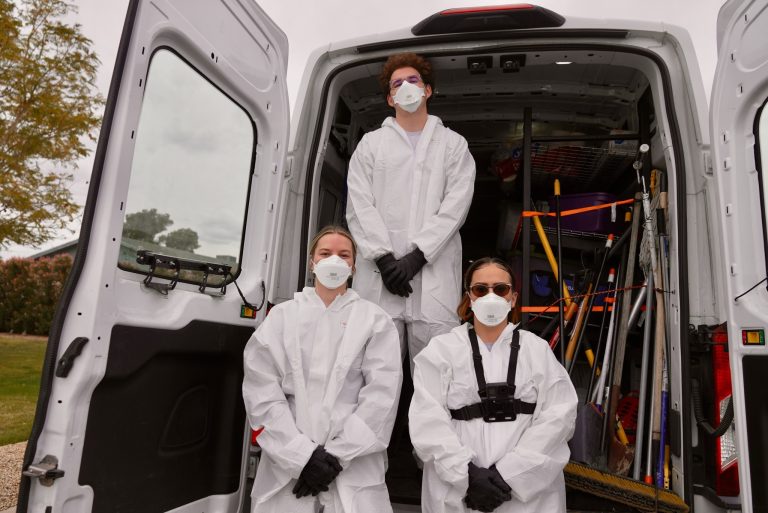
PHOENIX, AZ. September 17th, 2026 — Phoenix-based T.A.C.T. 48 has claimed that hoarding situations now account for around 60% of calls it receives, with the company warning that severely cluttered homes can sometimes reveal years of isolation, loss and disconnection.
The trauma and biohazard remediation company says its technicians are increasingly seeing properties where severe hoarding has developed gradually, with intervention often only happening after a medical emergency, unattended death, fall, pest infestation or another crisis.
David Lesaffre, founder of T.A.C.T. 48, said the condition of a home can sometimes provide an insight into problems that have remained hidden from family, friends and neighbours.
David said: “By the time we’re called to some of these homes, the situation has been developing for years. What we see is often much more than clutter. We see what can happen when someone becomes isolated, loses their support network, or experiences a major change in their life and doesn’t have the help they need.”
Lesaffre said major life events such as the death of a spouse, divorce, illness, retirement, financial hardship, loss of employment or family estrangement can sometimes feature in the history of severe hoarding cases.
As people become increasingly isolated, maintaining a home can become more difficult. At the same time, embarrassment about the condition of the property can lead people to stop allowing visitors inside or asking for help.
“The isolation and the hoarding can reinforce each other,” Lesaffre said. “The worse the home becomes, the more difficult it can be for someone to let other people see what’s happening.”
T.A.C.T. 48 says families should look beyond the presence of clutter when considering whether someone may need support.
Potential warning signs include rooms no longer being usable for their intended purpose, increasingly narrow or blocked walkways and difficulty carrying out basic activities such as cooking, bathing or sleeping.
Pests, animal waste, spoiled food, persistent odours, mould or other sanitation problems can also indicate that conditions have become more serious.
A noticeable increase in isolation or a refusal to allow family members, friends, carers or service providers into the home can be another warning sign, particularly when combined with other changes.
Lesaffre advises relatives to approach the situation with compassion rather than shame or confrontation.
“The goal isn’t to judge someone for how they got there,” he said. “The goal is to figure out what they need now and help them take the next step.”
According to T.A.C.T. 48, a crisis is often the point at which a severe hoarding situation becomes visible to others.
Emergency personnel or relatives responding to an unattended death or medical emergency may discover that a property has become severely compromised.
In some cases, the immediate emergency can be dealt with while the family is left facing a second problem — an unsafe property that cannot be addressed through conventional cleaning.
“We’ve had situations where the original reason we were called was an unattended death, but once we got into the property it was clear that there was a much larger problem,” Lesaffre said. “This was one of the reasons we expanded our services to include specialist hoarding remediation.”
Severe hoarding properties can contain a combination of environmental and biological hazards, including pest contamination, human or animal waste, spoiled food, mould, bodily fluids, persistent odours and contaminated flooring or other building materials.
The process can also involve sorting years or even decades of possessions, making the work emotionally difficult for both families and the individual involved.
Lesaffre said possessions that appear insignificant to others can have considerable emotional value to their owner.
“People don’t accumulate all of these things without a reason,” he said. “A photograph, a piece of clothing, a box that looks meaningless to us can have enormous significance to the person who owns it.”
T.A.C.T. 48 says its approach is focused on restoring properties to a safe and functional condition while treating people and their possessions with dignity.
“A home can tell you that someone has been struggling long before anybody else realizes it,” Lesaffre said. “The house is what we see, but there is usually a much bigger story behind it.”
T.A.C.T. 48 provides 24/7 emergency trauma, biohazard, crime-scene, unattended-death and hoarding remediation services across Arizona.
ENDS