
HOUSTON, US. May 6th, 2026 – Residents across Houston, Beaumont, and Southeast Texas are being urged to prioritize sun protection and schedule routine skin checks as UV levels climb into the “very high” range.
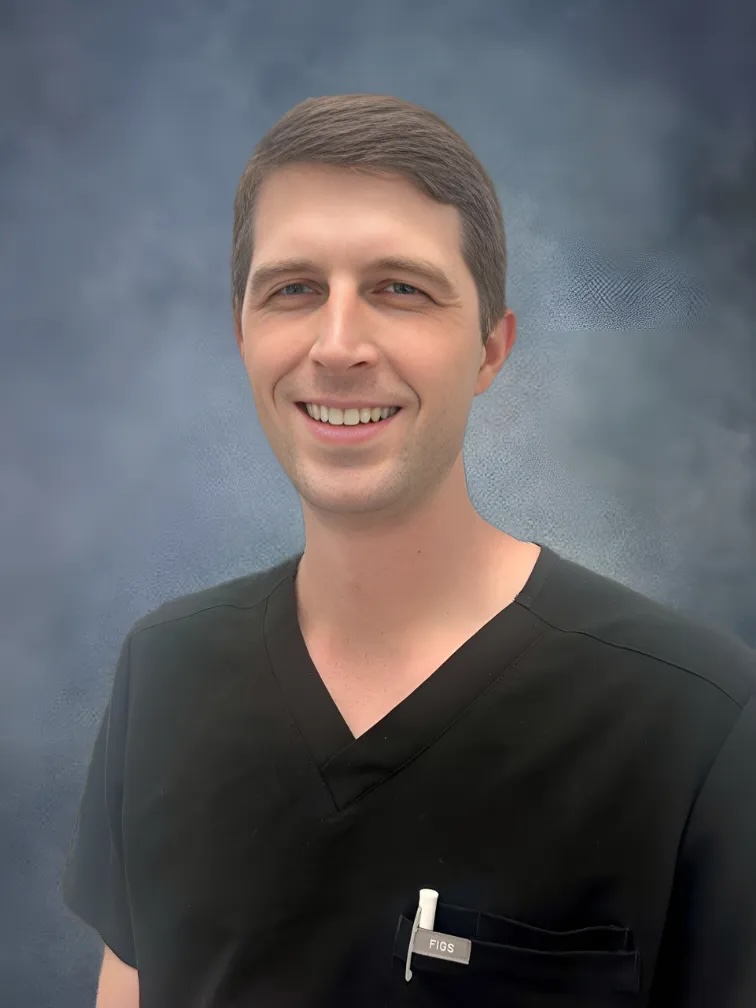
The warning has been issued by Dr. Andrew Quinn, a board-certified dermatologist and founder of Quinn Dermatology as May is Skin Cancer Awareness Month.
According to national weather data, UV index levels in Houston can reach 8 to 10 or higher during late spring and summer, placing individuals at increased risk for skin damage in as little as 15 minutes of unprotected sun exposure.
“In Texas, we see some of the highest and most consistent UV exposure levels in the country,” said Dr. Quinn. “Many patients don’t realize how quickly sun damage can occur, especially during everyday activities like driving, walking, or exercising outdoors.”
Skin cancer is the most common form of cancer in the United States, with more than 5 million cases diagnosed each year. Experts estimate that one in five Americans will develop skin cancer by the age of 70, making prevention and early detection critical.
“Skin cancer is highly treatable when caught early, but many people delay getting their skin checked,” Dr. Quinn said. “Skin Cancer Awareness Month is an important reminder that even small changes in your skin should never be ignored.”
Residents in Houston and Beaumont face elevated risk due to prolonged sun exposure, high humidity that encourages more time outdoors and being exposed to year-round UV radiation, even on cloudy days, according to Dr. Quinn.
“You don’t have to be at the beach to experience sun damage,” Dr. Quinn explained. “In Texas, consistent exposure adds up quickly over time.”
As Skin Cancer Awareness Month is now underway, Dr. Quinn is encouraging individuals to monitor their skin using the ABCDE rule:
A – Asymmetry
B – Border irregularity
C – Color variation
D – Diameter larger than a pencil eraser
E – Evolving or changing lesions
Other symptoms to look out for include spots that itch, bleed, or don’t heal, new or unusual growths and persistent redness or irritation.
In order to prevent the development of skin cancer, Dr. Quinn suggests that making small changes to daily habits can help.
Wearing broad-spectrum SPF 30+ sunscreen daily, reapplying every two hours outdoors. wearing protective clothing and hats, seeking shade during peak sun hours and avoiding tanning beds can all help to prevent the condition.
He added: “Prevention doesn’t have to be complicated, consistency is what protects your skin long-term.”
While self-monitoring is important, dermatologist-performed skin exams play a critical role in early detection.
“We’re trained to recognize subtle warning signs patients may miss,” said Dr. Quinn.
“Routine skin checks can detect issues early, often before they become serious.”
In recognition of Skin Cancer Awareness Month, Quinn Dermatology encourages patients in Houston and Beaumont to schedule a professional skin evaluation.